
Emotional Regulation

When clients don’t want to know… about their core insecurities

In my last blog I stressed the importance of focusing on the meanings people make of the formative events in their upbringing. The meanings that their child-brain make of their experiences is what forms someone’s core insecurities (a.k.a. shame, core negative beliefs, old stories, ….). And those insecurities are the origin of most of our … Read more
Focus on meanings not events
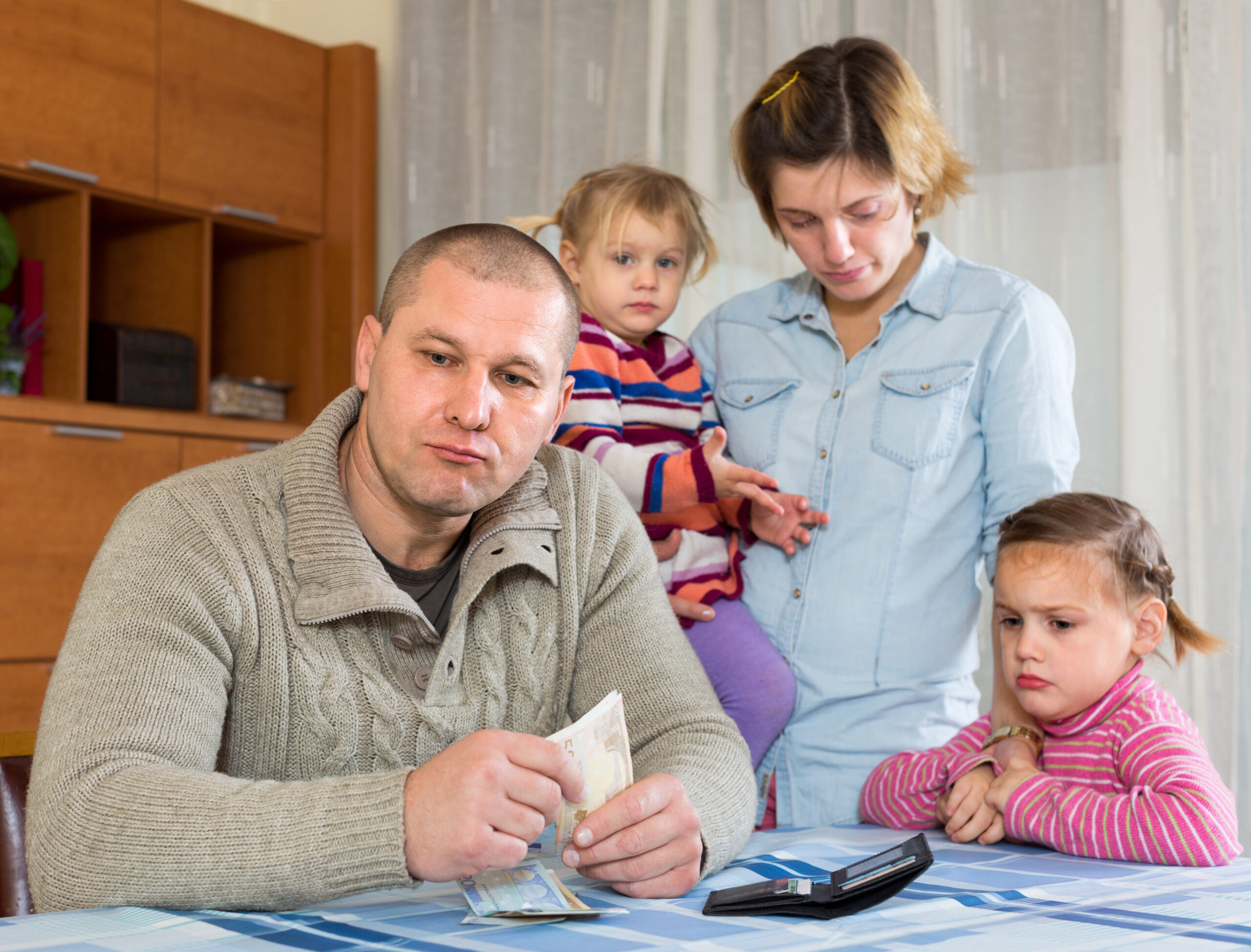
So many clients are invested in seeing their childhood as “normal”. This is especially true of clients whose upbringing encouraged the denial or repression of inconvenient feelings. Yet if we are to help them, especially with their adult attachment relationships, our core task is helping them recognise and stop projections of childhood assumptions & coping … Read more
“Blind Spot” Therapy

We all have blind spots, and, for some of us, one of our blind spots is the inability to acknowledge having blind spots. In my spiel in the first session explaining to my clients what therapy is going to be like, I sometimes say something like this: “All therapy, whether individual or couple therapy, is … Read more
Feeling vulnerable vs being vulnerable

The Merriam-Webster dictionary defines vulnerable as ‘capable of being physically or emotionally wounded; open to attack or damage’. Understandably, many of us work hard to avoid being vulnerable. Why would you want to leave yourself open to being wounded or attacked? Clients will choose to make themselves vulnerable if they believe that the rewards are … Read more
We are conditioning men to be afraid of their feelings

I was talking with a colleague about how cut off from their feelings we train our boys to be. She was talking about a woman who, in session, told her male partner “I don’t want a sissy” when he was being vulnerable. In childhood, many boys will have the experience that if they show emotions … Read more
Attachment, Dependency & Balance

Adult attachment is different from infant attachment. We need to learn how to balance dependence and autonomy.
Shifting from Conflict to Connection: Case study of a Hostile Angry Couple.
You can hear them arguing in the waiting room before you set eyes on them. Sometimes they just blindly continue their fighting as they walk through your door and take a seat, without even stopping to say hello. This kind of scenario puts a lot of people off working with couples. And those fears are … Read more
A magic trick you can use at work or at home
At the end of one of his presentations at the Couples Conference in Manhattan Beach, California last month, Pete Pearson literally performed a magic trick turning a business card into a flower. But far more impressive was when he showed us how to use “four little words” to transform almost any hostile statement into something that … Read more
Five Things Guaranteed to Fail in Couples Work
1. Talking about content not process How a couple talk to each other and treat each other IS their relationship. That’s what we need to help them focus on. Typically couples get into conflict about predictable areas – money, sex, parenting, boundaries, time use (too much time at work or a hobby, not enough time on domestic … Read more