
 Nic Beets

When clients don’t want to know… about their core insecurities

In my last blog I stressed the importance of focusing on the meanings people make of the formative events in their upbringing. The meanings that their child-brain make of their experiences is what forms someone’s core insecurities (a.k.a. shame, core negative beliefs, old stories, ….). And those insecurities are the origin of most of our … Read more
Focus on meanings not events
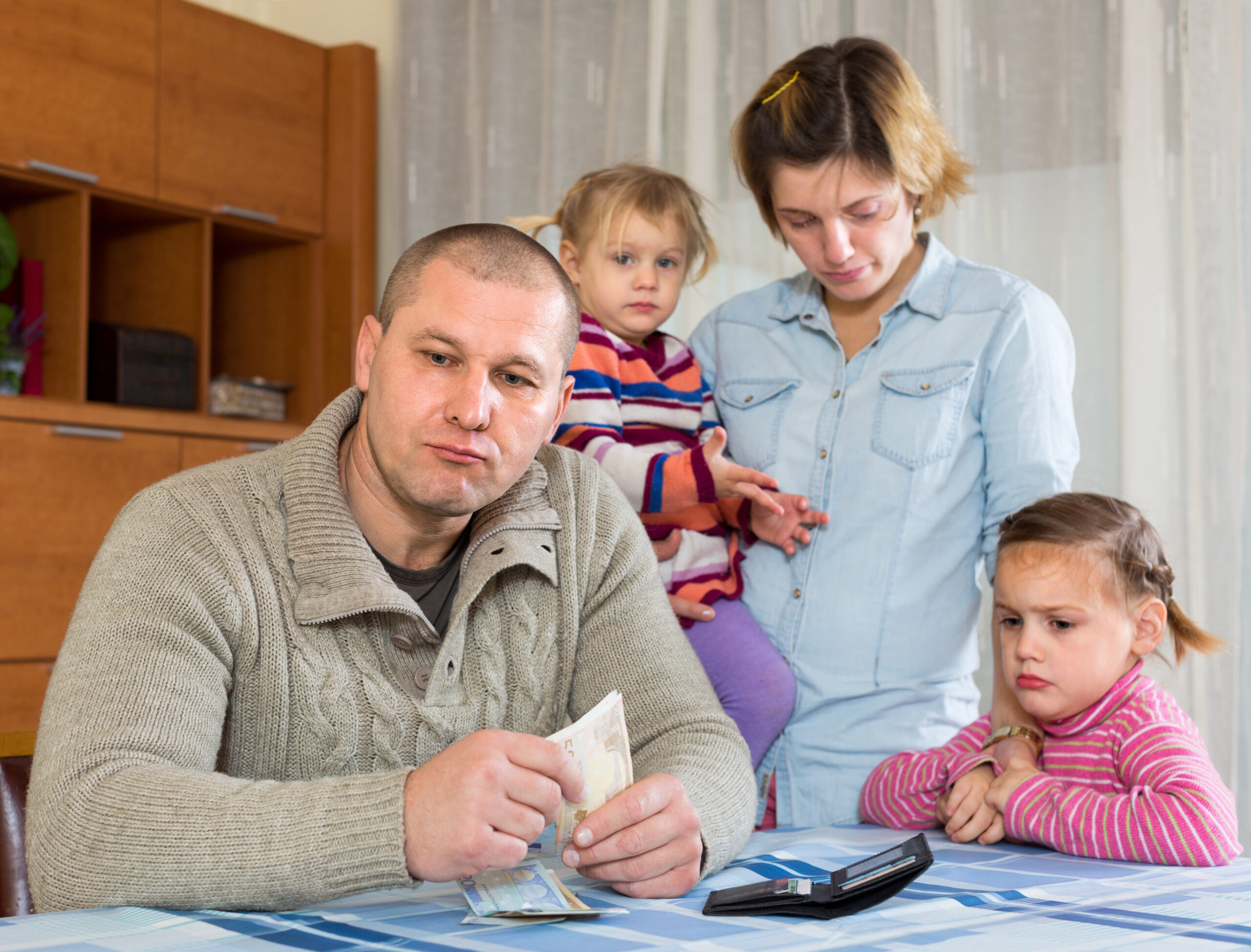
So many clients are invested in seeing their childhood as “normal”. This is especially true of clients whose upbringing encouraged the denial or repression of inconvenient feelings. Yet if we are to help them, especially with their adult attachment relationships, our core task is helping them recognise and stop projections of childhood assumptions & coping … Read more
Why broken trust requires new rules for therapy
As relationship therapists, we strive to be even-handed and explore each partner’s contribution to the dynamics and difficulties that affect their relationship. However, when it comes to dealing with infidelity, I would argue that those rules don’t work very well. At least initially, it’s essential that the therapy is more focused on one person than … Read more
The power of the “Paper Exercise”

In the Developmental Model we use a deceptively simple tool called the Paper Exercise to help assess the developmental level of clients. Using a “projective” technique, we deliberately set up a conflict between a couple and observe how they deal with it. Although it’s an artificial situation we set up, it’s usually a pretty good … Read more
“Blind Spot” Therapy
We all have blind spots, and, for some of us, one of our blind spots is the inability to acknowledge having blind spots. In my spiel in the first session explaining to my clients what therapy is going to be like, I sometimes say something like this: “All therapy, whether individual or couple therapy, is … Read more
Feeling vulnerable vs being vulnerable
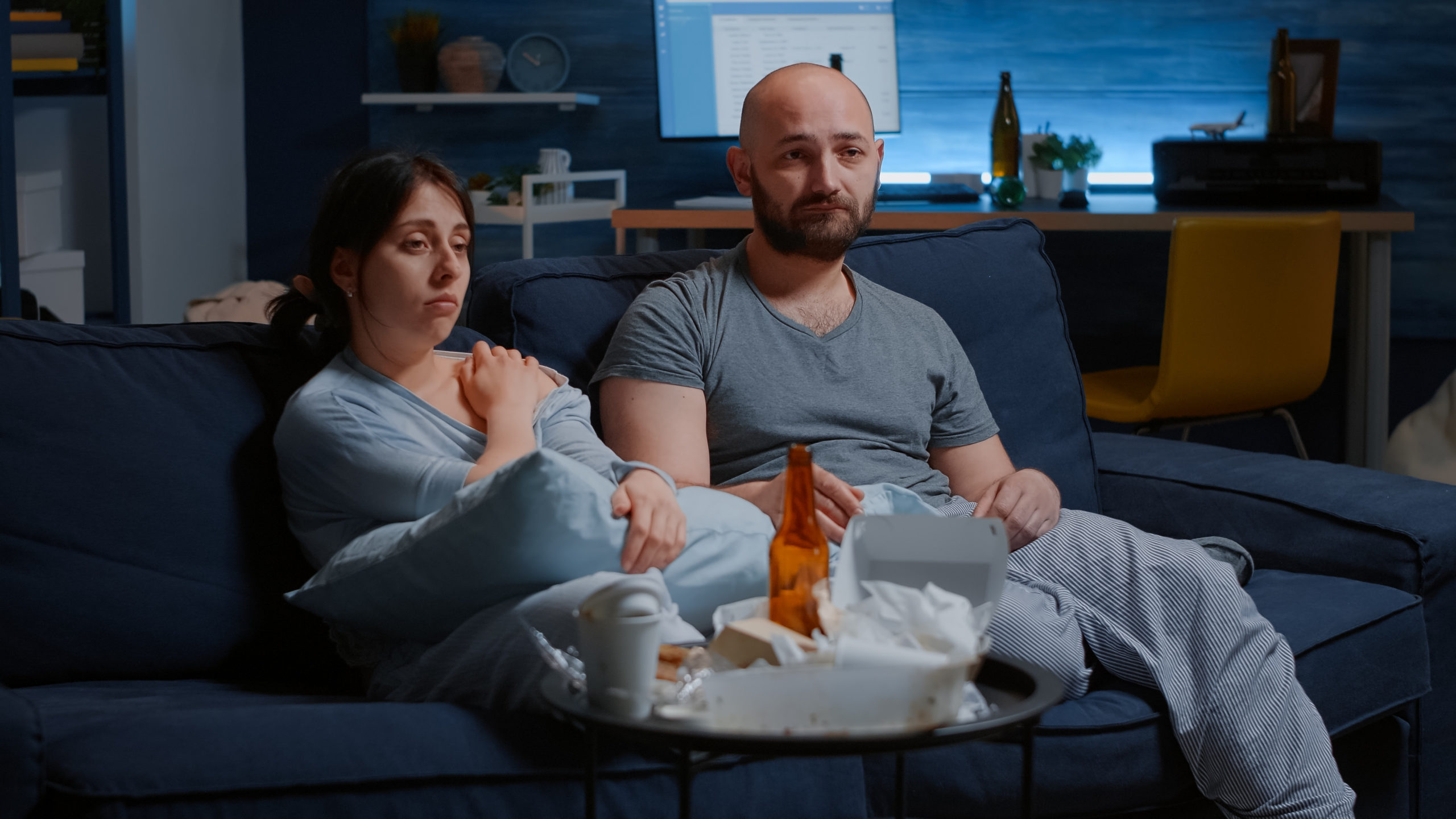
The Merriam-Webster dictionary defines vulnerable as ‘capable of being physically or emotionally wounded; open to attack or damage’. Understandably, many of us work hard to avoid being vulnerable. Why would you want to leave yourself open to being wounded or attacked? Clients will choose to make themselves vulnerable if they believe that the rewards are … Read more
Separating Explanation From Justification

Hopefully, your clients are familiar with the notion that when we act on our self-protective impulses, we invariably behave in ways that are damaging to our relationship. That’s why in the DM we call these “ineffective self-protective behaviours”. We all have them and will do them reflexively when feeling threatened in some way. When I … Read more
We are conditioning men to be afraid of their feelings
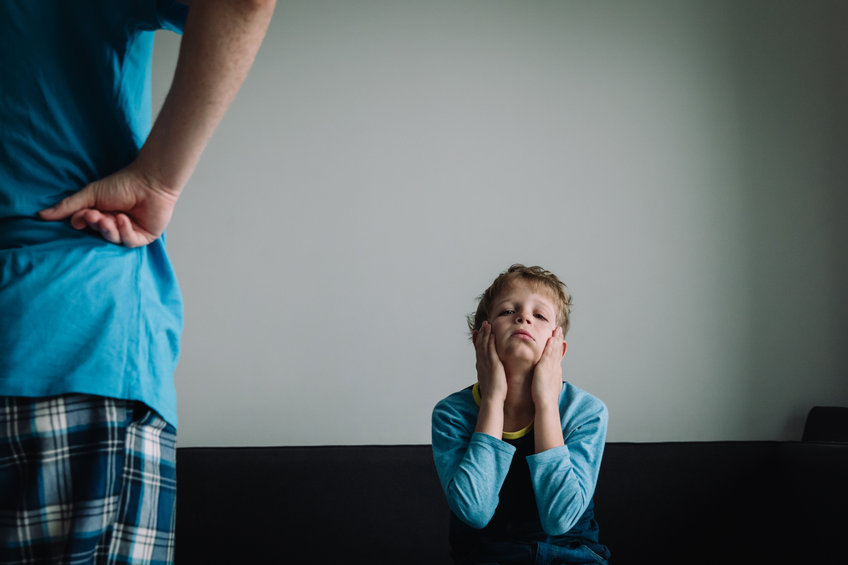
I was talking with a colleague about how cut off from their feelings we train our boys to be. She was talking about a woman who, in session, told her male partner “I don’t want a sissy” when he was being vulnerable. In childhood, many boys will have the experience that if they show emotions … Read more
Vax Vs Anti-Vax: A case of dealing with difference
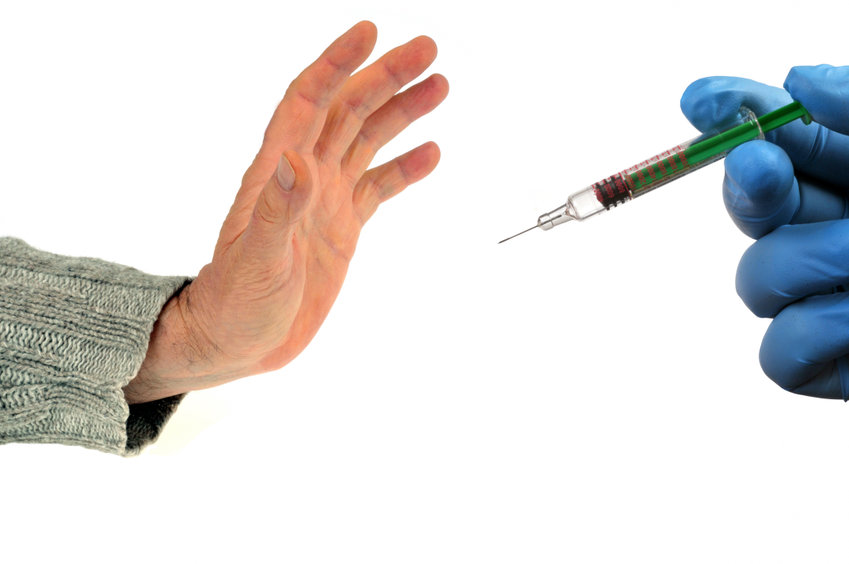
In the current climate there are few divisions as sharp as between those who believe vaccination is the only hope for humanity and those who are more concerned about the health risks that vaccination itself poses. SO what happens in a relationship when people are in opposing camps? I recently worked with a hetero couple … Read more